
Only a monster plays God
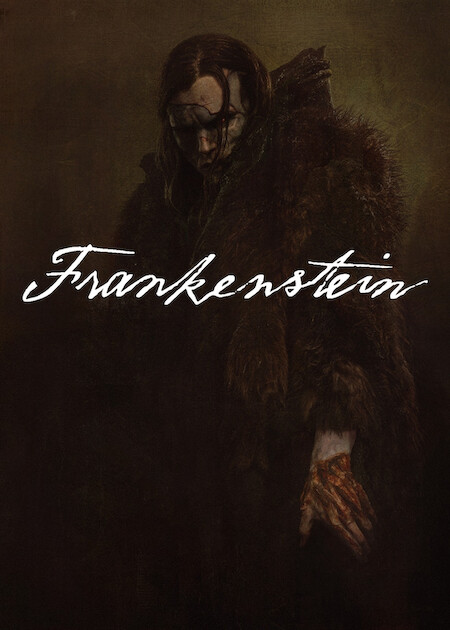
© Netflix. “Frankenstein” (2025) — promotional image provided via Netflix Newsroom. All rights reserved.
The story of Frankenstein has been retold countless times, yet del Toro’s adaptation brings something unique to the table. Based on Mary Shelley’s gothic novel, Frankenstein explores the tragic fate of a creature abandoned by its creator and the fine line between good and evil – or rather the root of all evil itself.
I must admit, I tend to avoid Netflix originals because they lack essence, but knowing del Toro’s work and seeing the stunning visuals for this movie convinced me to put my prejudices aside; and I’m glad I did.
The horror drama starring Oscar Isaac as Victor Frankenstein and Jacob Elordi as The Creature explores the dual nature of the phrase “evil creates evil”. The film begs the question of whether true evil lies in Victor – who plays God and abandons his creation, or The Creature, born in rejection and shaped by a society who fears it.
The movie begins with a prolepsis: a tense confrontation between Victor and The Creature. Frankenstein is blind to his creation’s potential, while The Creature embarks on a journey of self-discovery and revenge. Their dynamic culminates in a final and emotionally charged conversation, revealing vulnerability, tragedy, and consequences of neglect.
Oscar Isaac shines in this role, exuding the character’s madness and moral corruption. A brilliant scientist, driven by a lifelong obsession to “stop death” finally witnesses his creation come to life – and quickly wants to rid himself of it.
Jacob Elordi delivers the performance of his career as a monster abandoned by his creator and doomed to an eternity of loneliness. Once he begins questioning his purpose and existence, The Creature learns its true nature and is consumed by rage, hunting Victor. The Creature’s doomed eternity in solitude is emphasized by its quest for vengeance and, ultimately, its longing for human connection – a companion to share its pain and cursed existence.
Mia Goth’s Elizabeth is a standout: maternal, romantic, and sensitive. Her interactions with the Creature carry a delicate fragility only Goth brings to life beautifully on screen.
The all-star cast also includes two-time Oscar winner Christoph Waltz, whose charisma and wit dominate every scene. A memorable quote Harlander told Frankenstein stuck with me: “Can you contain your fire Prometheus or are you going to burn your hands before delivering it.” It underscores the tragedy of those who wield great power but fail to channel it, hinting at Frankenstein’s wasted potential and selfishness.
The director masterfully weaves hints and references throughout the movie, reinforcing central themes. Victor’s dehumanization, for example, is suggested by his change of wardrobe: he moves from expensive suits and coats that once defined his societal status to furs and hats that render him almost unrecognizable.
Biblical references such as the Resurrection of Christ and the Garden of Eden consolidate the ever-recurring theme of “playing God”. Even subtle details carry meaning – the wound in the Creature’s palm suggests generational trauma being passed down from father-son-creature.
Del Toro also uses colors and symbolism to guide the viewer’s attention. The palette is largely muted, but carefully chosen colors highlight key moments and themes. Red, for example, represents Victor’s traumatic childhood, as well as his guilt: Victor’s late mother wore red, later his red gloves symbolize the blood on his hands.
Red is used as a visual link between Victor and his obsession, reflected by the trauma that drives his actions throughout the film (his mother’s death, the archangel representing his quest, purpose, his obsession). So, Elizabeth’s red umbrella and red dress signify a gravitational pull between the two characters. In other words, Victor is “triggered” by this color.
The costume design department deserves its own standing ovation. Elizabeth’s dresses, with their sweeping volume and bold colors, command the screen, ensuring she remains a visual and emotional focal point throughout the movie.
The 2025 adaptation of Frankenstein is a profound exploration of the relationship between creator and creation, showing how the line between good and evil is sometimes blurred by pride and corruption. Del Toro’s reframes Shelley’s classic as a tragedy rather than as a horror story, paying tribute to the novel’s original core. The artistic references scattered throughout movie– from biblical motifs to nods at classic paintings – further amplify the central theme of creation offering the audience a visually stunning and thematically rich experience.